I started in code with Amiga 500 demo programming, on to architecture and innovative solutions. Eventually I came to understand that technology should not be separate from the objective and purpose, but also not become the purpose. With this insight I transitioned to CTO roles at early-stage companies and took several through acquisitions. Today I work at Capgemini, guiding cloud adoption and use of AI in regulated industries, primarily defense — where sovereignty, security, and compliance aren't checkboxes but design constraints that shape everything.
The work spans trend analysis and advisory to enterprise leaders. Colleagues tend to describe me the same way: comfortable across the whole landscape, yet happiest a few layers deeper than strategists usually go. What I bring, I think, is solutions grounded in realistic ambitions, with understanding of the multi-dimensional consequences of actions. I absorb complex topics quickly, finding the plain words for it, and nudging engrained patterns just enough that new ways of thinking, and acting, start to feel obvious.
Before Capgemini: EPAM Systems (Head of AWS Delivery, DACH) and Cloudreach (Global Head of Advisory). Computer science at Malmö University, some years in Calfornia with studies at UC San Diego and innovation work in Biotech. In a parallel track to technology I've pursued a political science and a teacher's degree — which explains why I care as much about how organisations behave as how their systems are built, and why communication is my primary tool.
Cloud adoption in regulated industries through compliance, with the defense sector at the center. Trend analysis, architecture, and the organisational reality between them.
20+
years across code, architecture, cloud, security and development methodology — from startup CTO to global advisory lead.
Off the clock
Embracing every moment of being a dad. It's the best thing ever happened to me. Downhill mountain biking, snowboarding, science fiction with the physics done right. Fluent in English and Swedish; enough German to get me through Bavaria.
Waypoint 02 · Builds
Things I'm building
Personal AI • Self-Hosted • Agentic
Nexus
My personal operations system. It reads the context of my life — incoming mail and years of correspondence, my calendar and a steady stream of other signals — and proactively tries to resolve my tasks. When it can't, it does the research and hands me an actionable plan. Handy, for a Swede in Germany who built his career in English and has a half-Chinese son: life here rarely happens in just one language.
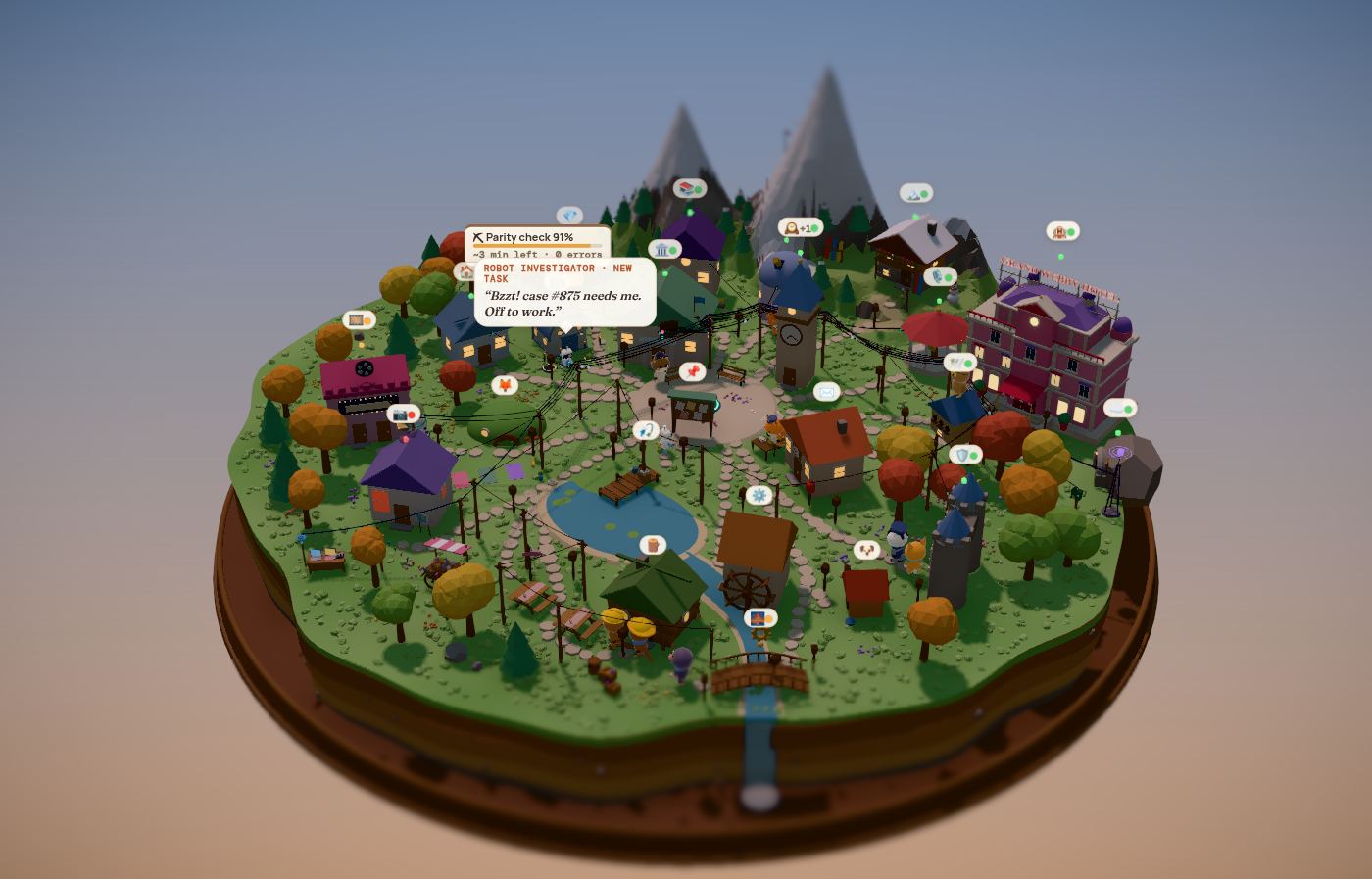
Behind it, Hermes Agent by Nous Research orchestrates a small team of agents — and I built them a village. Every service is a building, every agent a little animal with its own personality, and I can look in on them at work or just watch them go about their day.
Always with me — it lives in the messengers I already use, Signal and Telegram
The dashboard — keeps track of my load, my progress and my mental health
Meet the village — Nora the postmaster and the rest of the cast, in the live demo
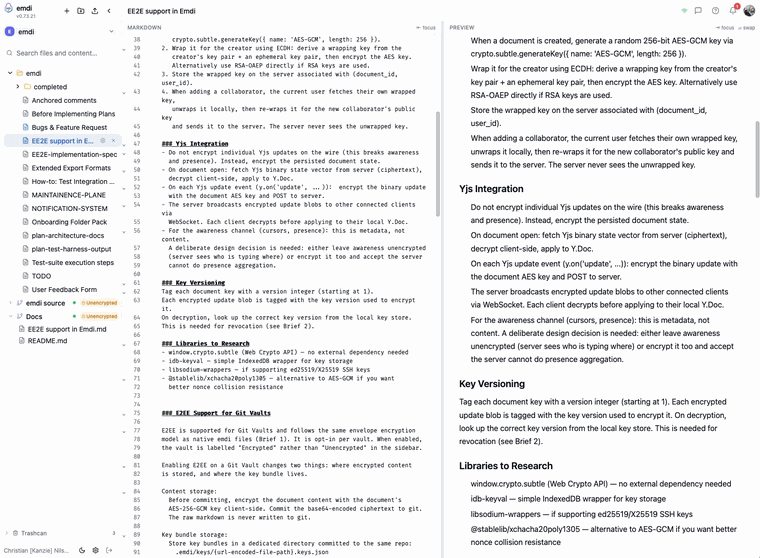
Everyone uses markdown today, but only developers have great tooling for it in their IDEs. I've developed a platform where developers, documentors, compliance assessors and legal teams can collaborate in markdown documents. A markdown editor for teams who'd rather own their documents than rent them. Self-hosted, private, and free — real-time collaboration without a third party reading over your shoulder, and an exit path built in from day one.
End-to-end encryption with envelope key architecture — the server never sees plaintext
Git-backed vaults — sync to GitHub, GitLab, or Gitea with signed audit trails
Real-time collaboration via CRDTs, with comments anchored to the text they discuss
Multi-format export — your documents leave as easily as they arrived
Enterprise-ready Collaboration — true enterprise team collaboration with in-line comments, chat and advanced permission model
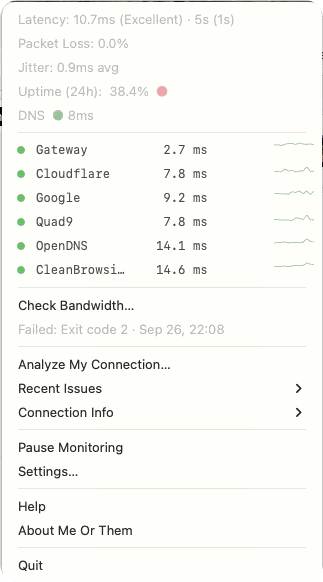
A network intelligence monitor that lives in the Mac menubar and answers the question every remote worker asks a dozen times a day: is it you, or is it them? It began as a challenge — could "vibe coding" produce something extremely optimised and secure, rather than the slop the term has become shorthand for? After months of in-the-trenches testing, it came out clean. Shipped, audited, and quietly doing its job.
17 diagnostic algorithms around the clock — gateway fault isolation, raw UDP DNS probing, MTU path checks, WiFi correlation
Obsessively light — 0.4% CPU, 14 MB memory, zero Dock presence
A year of history, fully local — no account, no cloud, no telemetry; Grafana support, export CSV, JSON, or PDF
Security-audited — OWASP-reviewed, 483 tests passing, signed and notarized by Apple
Technology should never be separated from its purpose —
and never become the purpose.
Twenty years to learn it, one line to say it
Waypoint 03 · The Route
The path so far
2022 — Present
Cloud Strategist, Regulated Industries
Capgemini
Cloud adoption strategy with a focus on defense. Sovereign architectures on AWS, trend analysis, and advisory to enterprise leadership — from board-level narrative down to implementation detail, and back again.
2021 — 2022
Head of AWS Delivery DACH
EPAM Systems
Led AWS delivery DACH. Principal technical advisory on cloud strategy, architecture, and the organisational design needed to sustain both.
2016 — 2021
Global Head of Advisory
Cloudreach (now Eviden)
Five years, several hats: cloud consultant → Head of Delivery, Cloud Adoption & Strategy EMEA → Global Head of Advisory. Co-authored publications on cloud adoption and operating models; spoke on cloud transformation.
Earlier
CTO & CEO
Beepsend (now Twilio) · Tunaspot · C-Works
Leadership at early-stage technology companies. Built engineering teams, set technical direction, and learned first-hand where product vision meets engineering reality.
Waypoint 04 · Blog
Thinking out loud
I wanted to build an agent orchestrator, to visualize how many, and what my different AI-agents were up to all day burning tokens and whatnot. I also wanted to take Opus 5.5 for a spin to test the new graphics capabilities it has. Two weeks and well over a hundred releases later, I feel confident that I know what Opus 5.5 is capable of, I have reduced my token spend by an order of magnitude, but most importantly, I now have a little village. Let me tell you about it, and its inhabitants.
‹›Then · 1.43Now · 1.203
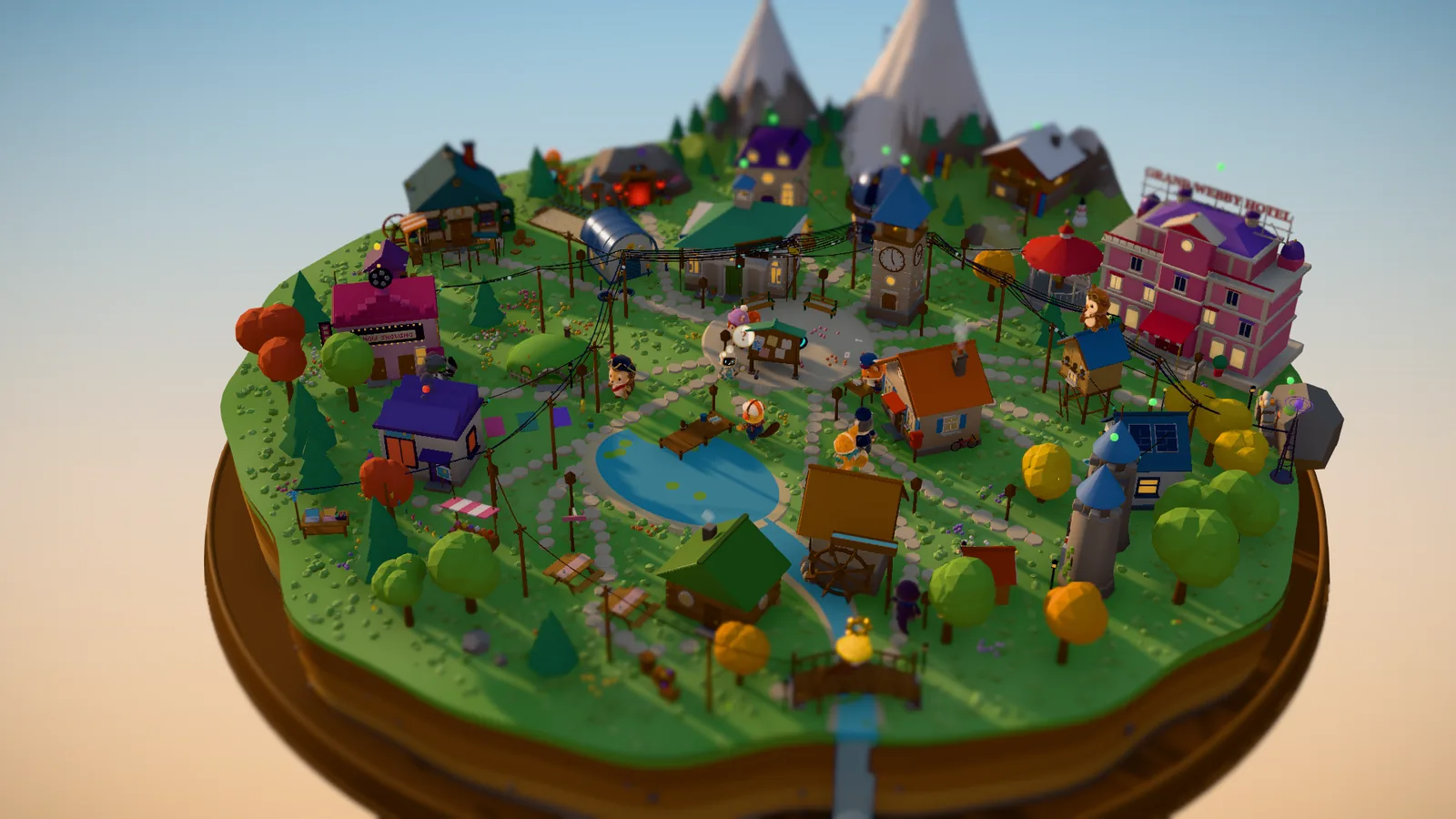
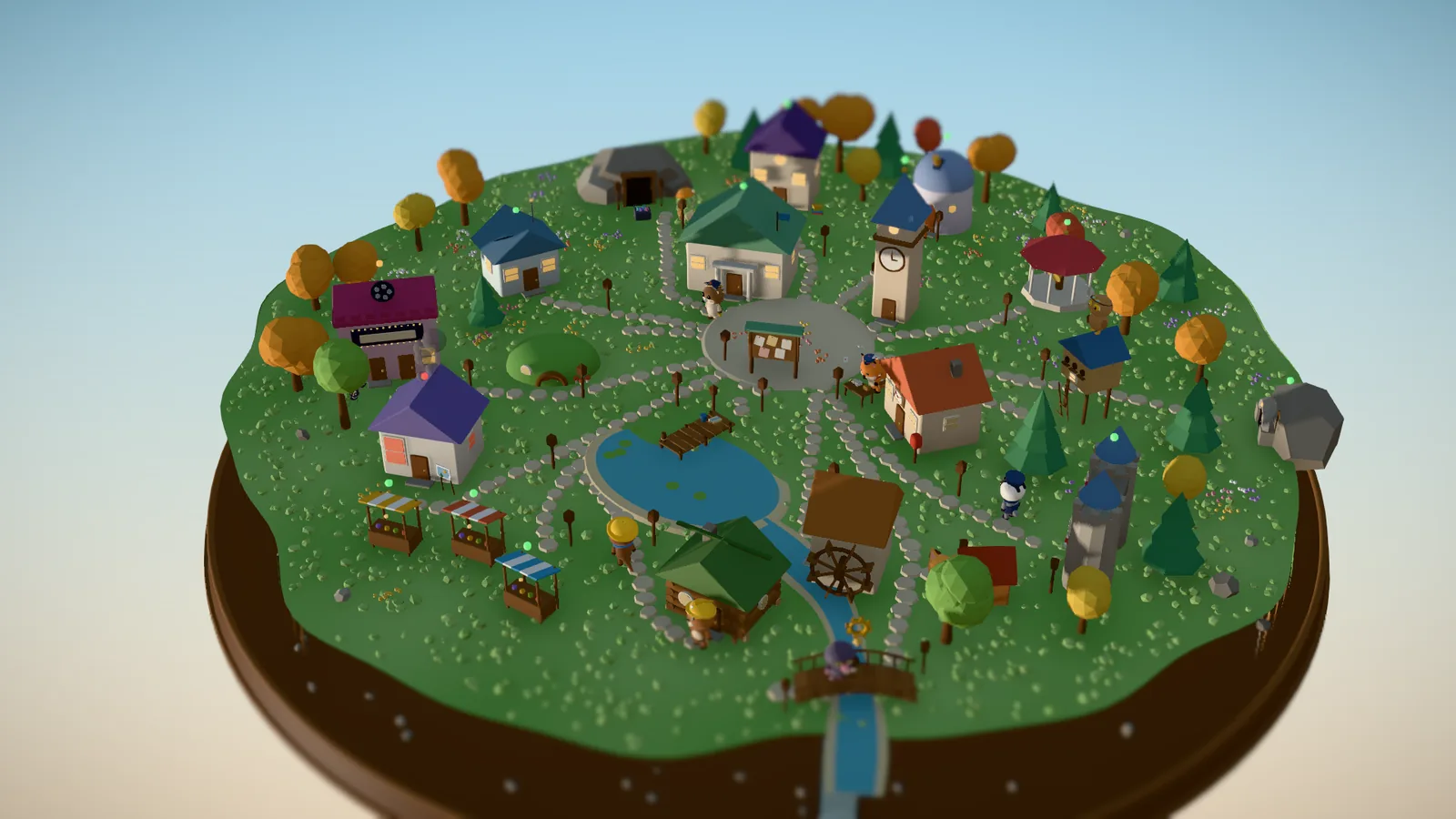
1.43 (27 Sep) → 1.203 (7 Oct). Same island, same camera, ten days apart.
First I built my main AI-coordinator "Nora" as a fox using primitives, and gave her a diorama environment. Over time I made complex models with rigs, added visual fidelity and completed the village with both new houses and leisure activities for my little buddies.
Kanzieland - The Village
The Village is a tiny 3D island in felt and wood that lives in my browser, and it's a mirror of my home server. Every service on the server is a building. Every scheduled AI agent is a little felt animal with a personality, a goal and a purpose. They "work" only while their respective cron-job or other server task is really running. Every investigation that starts shows by a little robot being sent out. The tunnel at the edge of the island, my VPN tunnel of course. The hotel, that's for my websites, a web hotel (remember those?). The island is my server's different services, with the villagers being real-time versions of all the "work" that is going on running and maintaining them.
I still look at logs from time to time, but since most of my issues nowadays are discovered and researched with a resolution plan proposed automatically by my AI-agents, I don't feel the need so much. I want to know everything is fine, and know I wouldn't miss a problem. But I didn't expect it to be so nice to replace the tail-grep:ing of log files and dashboards with an actual "window to my server world". I never miss a beat on things that matter though, because a robot is waiting for me at the notice board, with a plan ready for my approval in hand. Every job going on has a visual representation, and all important signals are embedded into the landscape.
About these signals, let me give you some examples of what I mean by that.
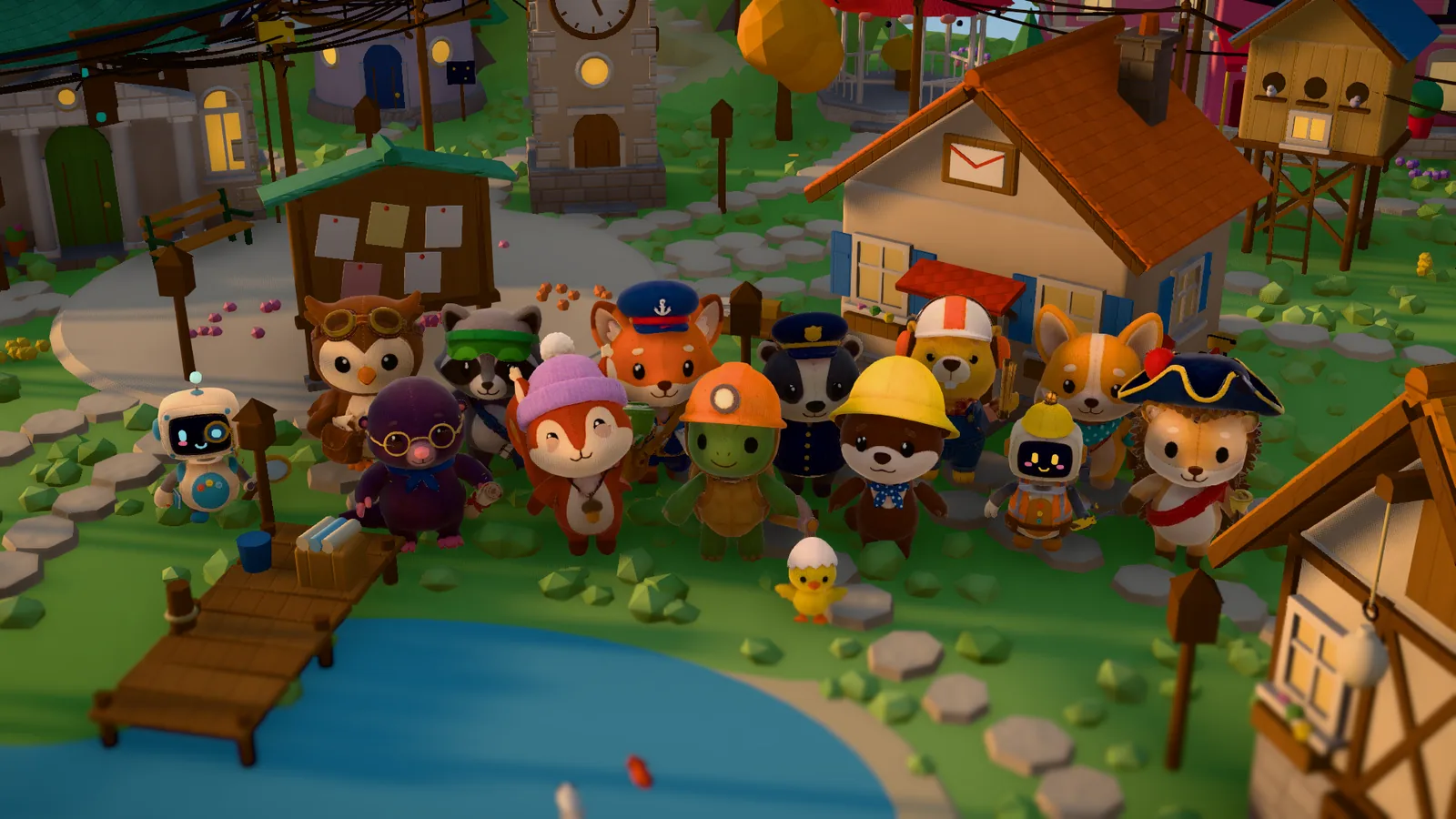
The whole cast in one frame. Posed for the picture: on a normal day they're far too busy.
Why the buildings are what they are
It's cute, but it was important to me that each building represented a real service, and each resident is a real job. Nothing is there by chance, everything serves a purpose (except Pip, more on that later). A few examples:
The post office is where Nora the fox, my email agent, sorts my mail. When a mail job fans out into helpers, a line of chicks gets busy with her.
The Grand Webby Hotel has one room per website I run. A room's light is on while its container runs.
The cinema is the media server; Zelda the raccoon runs its jobs and steals everyone's snacks.
The gatehouse is the network's DNS and ad filter. Frank the badger guards it and runs the security scans, and Snuggles the corgi, the watchdog, reports for duty there.
The bridge is the reverse proxy that routes every web address to the right service, and Linda the mole keeps the addresses pointed the right way.
The mine is the disk array. When its day-long parity check runs, a cart of glowing data blocks creeps along a railway at the real progress, with Chesterfield the tortoise walking beside it.
The mill is where Kai the beaver does the daily deep health check of the server.
The observatory houses the local language model, and Hazel the squirrel keeps watch over what the agents remember.
The Workshop is where Claude's crew of felt gnomes builds and ships the whole thing. More on that below.
And then there's Pip the otter, whose job during refactoring of code went to Hermes. He's depressed because his job was taken over by an AI-agent, and he understands the irony. You'll probably see him sulk around or sit by the dock of the bay, crying. I didn't want to throw away the model I had built, and I felt sorry for the guy, so he's staying but remains unemployed.
I spent a lot of effort making sure I had gotten everything wired up right, both in the village and behind the scenes. Every model call is air-gapped from each other, context and permissions are granular and locked down to least privilege. About wires, there's wires in the village too, my home network and its utilization is also captured in the demo, in real-time. And if you press the little icon at the top, the village will come apart and you can inspect which wire goes to which house.
As for the animals, my "workers". They have souls, characteristics, backstory and most importantly they can make memories of past events or conversations with each other. Tap anyone and they tell you, in their own voice, what they're doing and for how long. Leave them be and you'll soon start to see the soap opera of gossip and intrigue this little village has turned out to be.
What happens on the server, and what you see on the island.
The Workshop
The VM where I run all my development, for all projects, reports to the Village every thirty seconds, so naturally it gets its own building on the edge of the island. Every agent at work is a felt gnome, with its knitted hat colored by role: code, testing, verifying, building, deploying. The busier the machine, the darker the chimney smoke, and from 70% load the roof starts to rattle. That machine crashed twice under too many agents early on; now I see it coming. For all the graphics work and testing I set up a container with headless Chrome with access to my GPU to do render work. That's the dark room next to the workshop, when the camera flashes a screenshot was made by an AI agent.
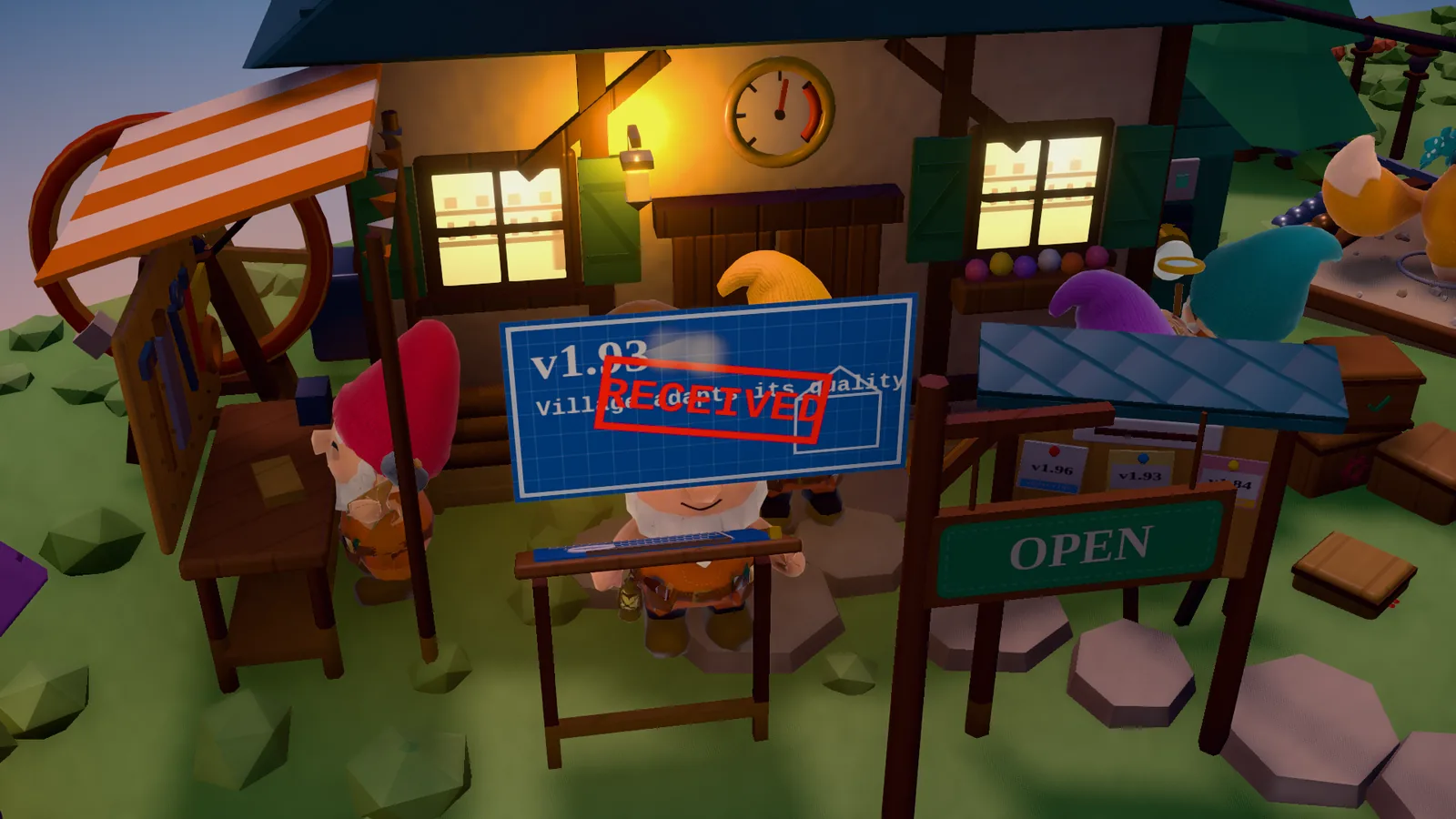
When a new release is ordered, a sealed blueprint tube floats down on a little parachute. The foreman catches it, the blueprint goes up on a sign long enough to read, and a RECEIVED stamp thumps onto it.
A new release on its way down to the Workshop.Caught and stamped. The titles come from the public release notes.
When a test suite passes with zero failures (a separate helper uses a sketchpad and "verifies" the code), there are fireworks over the town square. Failed tests make the robots disappointed as they send the work back to the shop. When a deploy goes to production, Less the hedgehog, the town crier, rings her bell and announces it to all, and a pearl and gold mist rolls across the island.
When the workshop manages to get through a complete test suite there's fireworks on the town square.
Other curiosities in Kanzieland
Robots. The agents that investigate and fix problems on my server (investigators, executors and verifiers in Hermes) are little felt robots. They climb out of a charging dock and walk to the building they're looking into. One that needs my approval pins its plan to the notice board and waits. Finished robots count down from ten and self-destruct in a puff of felt and springs.
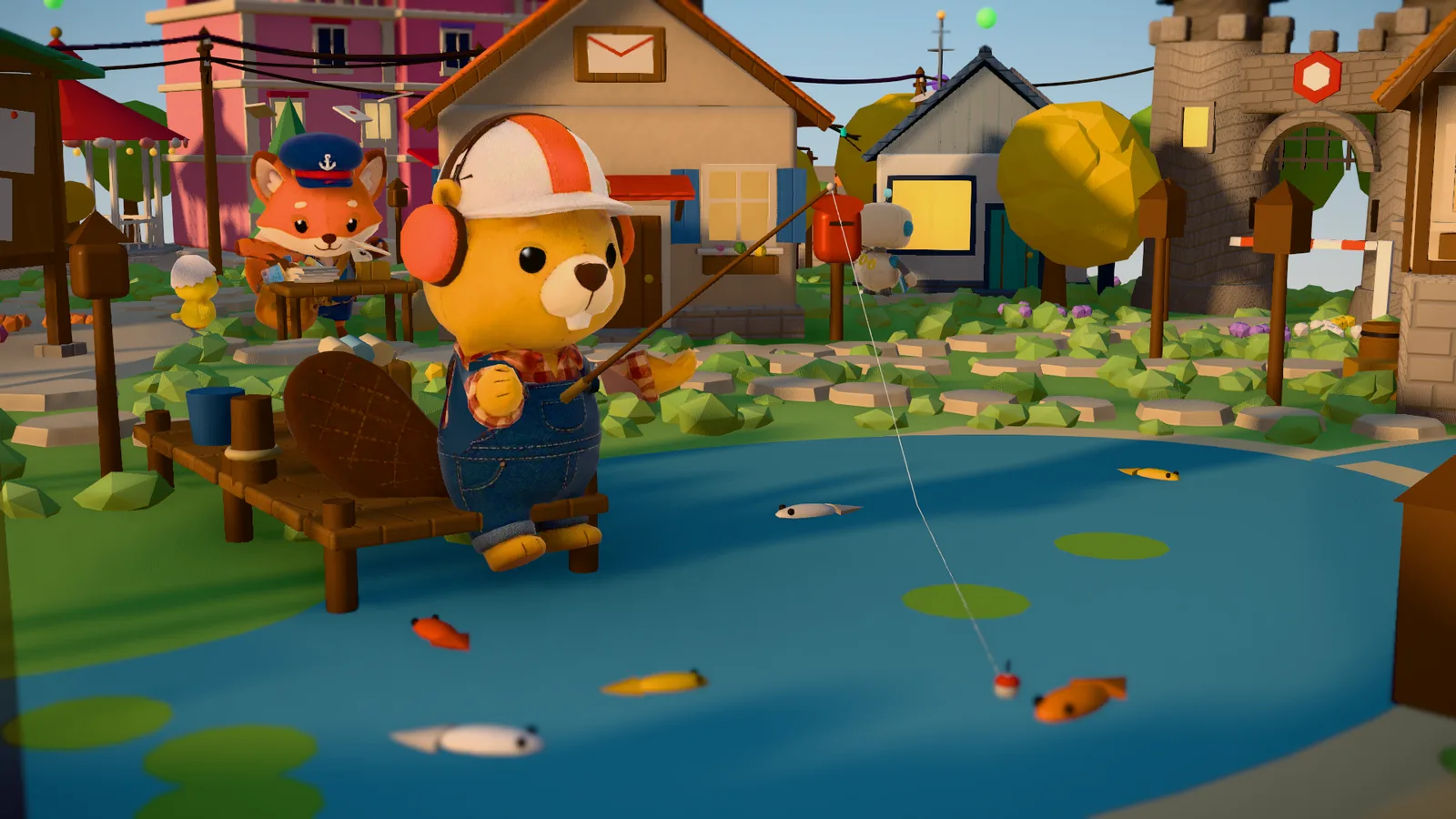
Days off. When an animal has no work, it has a life: yoga in the morning, lunch at the market, fishing in the afternoon, boule at dusk, strolls all over the island, and the odd run down the Alps on a snowboard.
Gossip. When two or three meet, they chat, and the lines are written by a small language model running on my own server. Each resident has a soul, memories and feelings about the others, and a slow, family-friendly soap opera is going on. The chicks are fairly sure Nora is their mum.
A camera that directs itself. Stalker mode follows whatever is happening like a nature documentary: it hurries to a robot climbing out of its dock, cranes up to follow a parachute, films boule from above and bench conversations in close-ups. Now and then an animal notices the camera and waves.
A real sky. The sun and moon are where they really are over our lake, with the real moon phase. Some mornings there's mist on the pond.
The network underneath. One button splits the island in two, so you can see the cables running from every building to the router under the square.
It runs on a phone. The Village measures its own frame rate and turns effects down one at a time, least visible first, when a device can't keep up.
Kai off duty, fishing off the jetty while Nora works through the post.
What it runs on
Tower, my Unraid home server, runs every service as a container.
Hermes Agent by Nous Research runs the agents and their schedules. Nora manages all the other agents, and reaches me in Telegram.
Nexus, my own dashboard and brain behind my personal AIsstant, keeps the ledger of everything that needs me, and it feeds the Village.
A small local model, Google's Gemma 4 under Ollama, writes the residents' chatter on my own hardware, so their gossip never leaves the house.
Claude Code is the crew: an Opus 5.5 session orchestrates, Opus does everything visual, Sonnet does the plumbing, and a separate verifier agent checks every feature before it ships.
The island is three.js and WebGL in the browser. The buildings are generated in code and refined in a scripted Blender. The felt residents started as concept art, went through Meshy's image-to-3D and were rigged in Blender.
A GPU render service on Tower, a headless browser on an RTX 3060, takes the agents' screenshots, so they can see their own work.
Cloudflare: the village tunnel is the one way in from the internet.
For privacy, Nexus never touches the Docker socket. A read-only socket proxy answers exactly one question: which containers are running. The Village only ever receives job names, states, durations and counts: no titles, no prompts, no mail.
Go and visit
The village has become essential in my daily life and what was a fun experiment helped me save 30 to 40 million tokens per day, solve several previously unknown problems and given me happiness in front of the keyboard. I'm sure I could have found it without this tool as well, but the point is that visualising is not always about complete state, but important signals of everything is well, as well as something is off. And making it engaging doesn't hurt!
The version on this site is the public demo: it's the same code, on the same server but some data has been obscured or replaced with scripted events for the sake of entertainment and privacy.
Open the Village, click the film camera, and please be nice to Pip.
Every team I've worked with writes constantly — architecture decisions, runbooks, post-mortems, meeting notes. And almost every team stores that thinking in someone else's SaaS, under someone else's encryption keys, subject to someone else's roadmap.
That's fine, right up until it isn't. Pricing changes. Features move behind higher tiers. An acquisition shifts the privacy posture. For most content this is an annoyance. For the internal documents of a regulated business — or just a team that takes confidentiality seriously — it's a structural risk that everyone quietly agrees not to think about.
The design constraint that shaped everything
The server should never be able to read your documents. emdi uses envelope encryption end-to-end: content is encrypted client-side, keys are wrapped per-recipient, and the server relays ciphertext it cannot open. That single constraint drove most of the interesting architecture — how real-time collaboration works over CRDTs, how comments stay anchored to the text they discuss, and how the audit trail is signed so history can't be quietly rewritten.
Git as the vault
The other decision I feel strongly about: your documents sync to a Git repository you control — GitHub, GitLab, or a self-hosted Gitea. Version history, backups, and portability come for free, using a format and tooling that developers already trust. If emdi disappeared tomorrow, your markdown would still be sitting in your repo, readable by anything.
emdi is self-hosted, private, and free. If your team writes things worth protecting, take a look at emdi.kanzie.com — and tell me what I got wrong. That's what the comments are for.
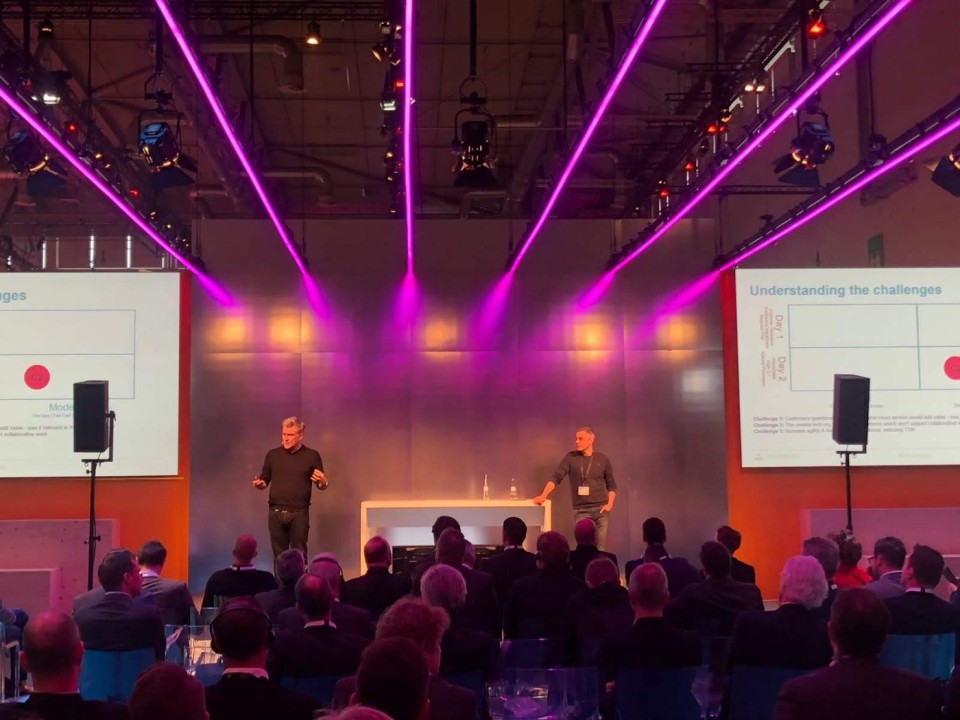
Every cloud transformation journey has its challenges and, more often than not, these stem from a mismatch between the culture and drive of the business and its IT department. In this article, I consider two different models I often use in combination to identify where an enterprise's problems lie and shift its cloud adoption journey back on track.
Over the last few years, I have helped enterprises in almost all industries overcome hurdles in their cloud transformation journey. There are a number of different reasons why companies reach outside their internal organisation for assistance. Often it is because their cloud adoption initiative has stalled, problems with internal politics or the cost of cloud adoption have spiraled out of control. Other times it is because a company is struggling with the current velocity of its development teams and time to market.
One of my approaches is to try and understand how the operating model and culture within IT and the business side of the enterprise is supporting the objectives of its counterpart. The problems therein tend to become more apparent when they try to adopt cloud and as such, it is a good place to start when trying to understand why their cloud adoption journey is not as smooth as expected. This approach relies on two different established models which can be used to describe what culture defines the enterprise, how the enterprise operates, and where the friction points are to be found.
The first model describes IT – "Mode 1 / Mode 2"
The first model is Gartner’s description of bimodal IT where:
“Mode 1” is focused on predictability and reliability. It is highly practical in domains that are well known and it especially favors optimisation. I find that Mode 1-organisations often are defined by ITIL processes, have teams working in silos, and tend to be change-averse, hence the ability to drive optimisation.
“Mode 2” is focused on experimentation and innovation and is well suited for domains that demonstrate a high degree of uncertainty. I find that IT organisations operating using Mode 2 often apply a DevOps-methodology with cross-functional teams that embrace change and are driven to fail fast to reduced time to market while achieving higher customer satisfaction.
It is not unusual to have bimodal IT in an enterprise. Both models can prove valuable as long as one recognises which mode best suits each corresponding domain and what business drivers are informing the goals of the IT department.
By looking at an enterprise’s IT, using this model as a “lens”, one can get a solid understanding of what is to be expected from the IT department, where the strengths are, and what informs the culture.
The second model described the business – Day 1 / Day 2
The other model I use approaches the enterprise from a business values perspective. It was suggested by Amazon CEO, Jeff Bezos, in a shareholders letter when trying to describe what, according to him, made Amazon different from other companies. He referred to Amazon as a “Day 1” company, in comparison to “Day 2” companies.
A Day 1 company is driven by high-velocity decision making which leads to a reduced time to market. It is informed by continuous adjustments and has a customer focus that is borderline obsessive. These are values that distinguish a digital-first company.
A Day 2 company, instead, tends to operate in a predictable way and has a high degree of operational integrity, at the expense of the customer obsession demonstrated by Day 1 companies. This is not saying Day 2 companies don’t care about their customers, they certainly have a customer focus, but not a customer obsession informing each decision. We also find that enterprises with a Day 2 culture often have very mature processes that inform most of, if not all, actions and decisions.
This letter is an intriguing read best summarised with this quote:
“Day 2 is stasis. Followed by irrelevance. Followed by excruciating, painful decline. Followed by death. And that is why it is always Day 1.” – Jeff Bezos, SEC EX99.1
It might seem that Day 2 is a less effective way of running a company. This is not the case. Most of the global enterprises that are dominating in their respective industries today are successful, mature, and stable (Day 2) organisations. To reiterate, these models are not here to judge enterprises and point out what they are, and are not, doing well. Instead, they help us understand what is informing them, driving them, and what culture they nurture.
A map for change
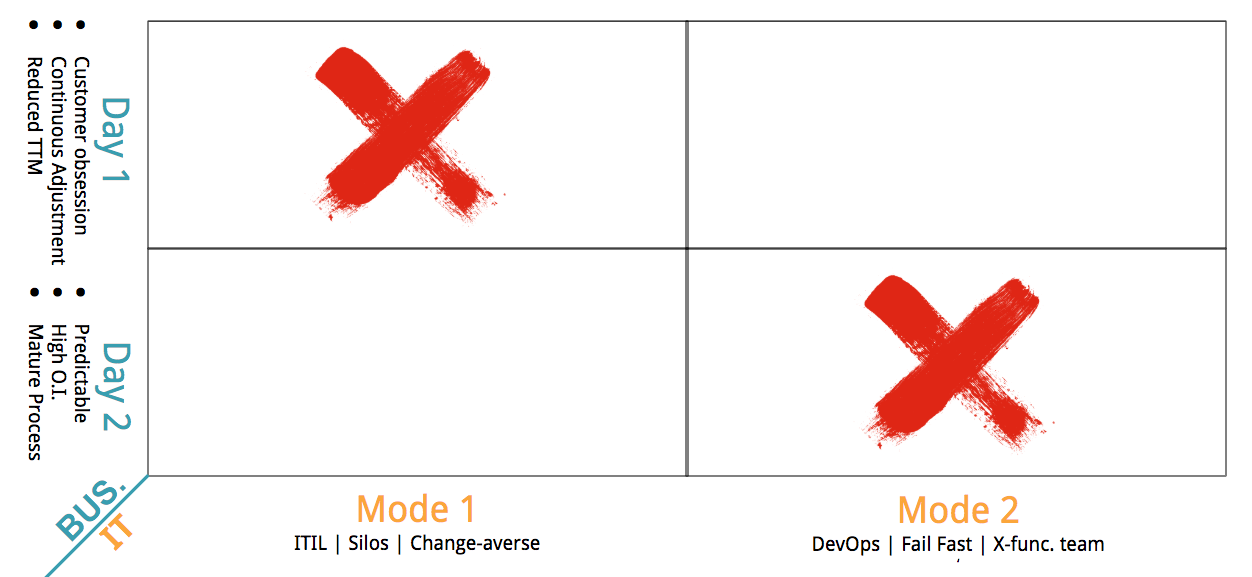
I now have one lens through which I can understand what is driving the business and one lens to understand the IT organisation supporting this business. By plotting the characteristics of each of these two lenses in a table it is possible to see how points of friction can appear when one IT model is trying to support a business that is incompatible.
Day 1                                     Day 2

 - Customer Obsession               - Predictable
 - Continuous Adjustment           - High Operational Integrity
 - Reduced Time To Market        - Mature Processes


Mode 1                               Mode 2

 - ITIL Based                     - DevOps
 - Silos                               - Fail Fast
 - Change Averse             - Cross-functional Teams
By mapping the values in Day 1 and Day 2 to Mode 1 and Mode 2, it becomes clear that there is a harmony between Mode 1 IT operations supporting a Day 2 company because their values are aligned. There is synergy in their values and how they operate and this is reflected in how they are structured.
Mode 1 IT operation supporting a Day 1 company, however, will cause problems as a change-averse IT department will have problems supporting business demands that request continuous adjustments and reduced time to market. Likewise, a Day 2 enterprise, running with high operational integrity and mature processes, will struggle when supported by Mode 2 IT operations, whose fail fast and fail often approach is best suited to a landscape of many unknowns.
More importantly, these lenses make it possible to understand the source of friction, allowing the enterprise to remove obstructions and bring momentum back into its digital transformation.
In summary
Many problems encountered in digital transformation journeys stem from perception and operational disconnects like those suggested above. For a company that is going through digital transformation by cloud adoption, this disconnect will prevent success and must be resolved not only using technology, but by aligning their culture, processes, and overall identity.
When supported by an IT department that operates with similar, compatible values, a business can transform itself and increase its velocity in the process.
Using this approach one can identify where the enterprise is on their cloud journey and then I can start equipping them with the methodology and tools to ensure they can successfully navigate from bottom-left to top-right, and beyond!
Over the last month I’ve been amazed at how many great initiatives I’ve seen all over the web in terms of celebrating Women, especially in Science, Technology, Engineering, and Math (STEM). I’ve attended several great webinars and read many blog posts with calls to action to make the tech industry a more gender-equal domain - something I’m a strong proponent of. When looking at the data, it is clear that STEM is a very male-dominated field. But if we look at quality instead of quantity, a very different picture emerges.
Some of the most influential work and leaders in tech have all been women, adding to my firm belief that gender has zero influence on capabilities to be good in STEM-fields. Considering the pool size compared to the accomplishments, you could argue that women are actually much more successful and talented in tech than men ever have been.
This article is dedicated to the incredible leaders, influencers, and innovators that made the world that we enjoy today a reality. This list is not exhaustive, it’s my personal celebration of some of the innovators who impressed me most:
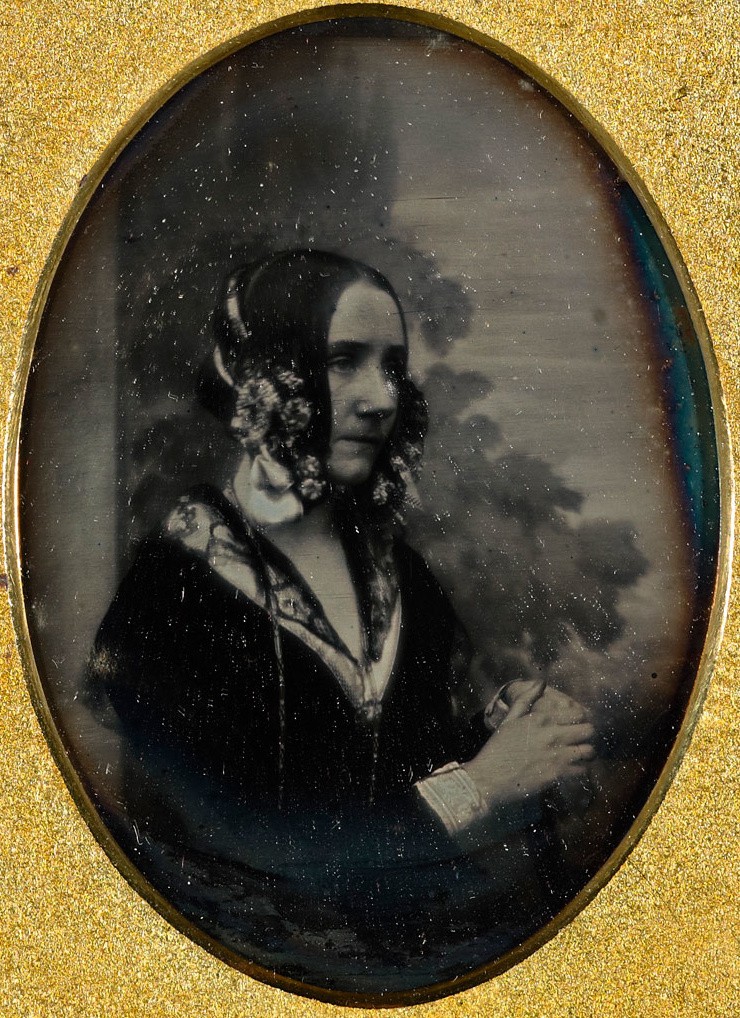
Ada Lovelace
The mother of all programmers, she wasn’t just the first woman programmer, she was the first programmer ever! She tried to make heads and tails of Charles Babbage's “Analytical Engine”, a theoretical exercise of incredible proportions that just needed that clever twist to actually make any kind of sense. Her notes of this work later came to be the bedrock on which Alan Turing designed the first modern computer. The term “modern” here basically means something that at least resembles what we mean when we think of computers today.
There are a number of reasons why Grace is famous and deserves a spot on this list. First of all, she invented COBOL; the most notorious and infamous of all mainframe languages and a language that has overstayed its welcome by about 50 years. A language this capable needs to be compiled though, so she literally invented the first compiler too.
If you’ve ever had the chance to try your hands at COBOL you are probably not surprised to learn that Grace Hopper also is the first person that ever recorded having a computer bug (this one had actual legs though). Of all her accomplishments, my favorite thing about Grace is her promise to come back from the dead and haunt engineers who justified their actions with “this is how we’ve always done it here”. A true change agent, inspiration, and genius!
Hedy is probably more famous for her acting career than what really sets her apart. During the second world war, she took a stab at trying to figure out a way to trick radio-guided torpedoes, as one does when things are slow in the acting industry. She referred to her invention as “Secret Communication System” but today it is more commonly referred to as frequency-hopping technology. You would know it in the everyday life by the names of Wi-Fi, GPS, and Bluetooth. How fitting that one of her roles as an actress was Joan of Arc!
Another massive contribution to the world of programming is SmallTalk. Despite being very old, it’s a dynamically typed language and features object-oriented patterns. As a matter of fact, this language inspired most of the object-oriented languages we have today such as Objective-C, Java, Python, and Ruby. But the most important contributions SmallTalk made to the world, in my opinion, was the notion of graphical user interfaces as a way to interact with computers, the MVC design pattern, and the introduction of integrated development environments (IDE). Steve Jobs is a known fan and took many cues from Adele's work in the forming of Apple, for good reasons.
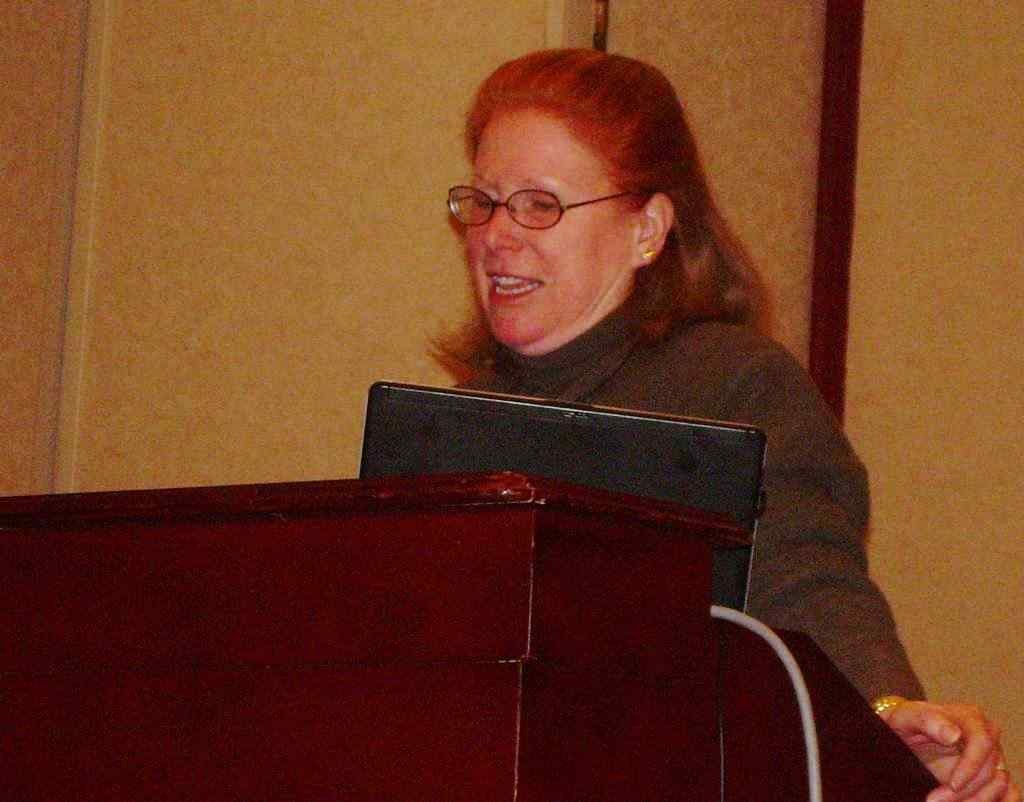
If there is one takeaway about technology, it is that we are all standing on the shoulders of giants. Every major development is the fruit of many other inventions enabling them. Some of these inventions are buried so deep into the core stack we don’t think about them as the incredible pieces of technology they are, or often even know about their existence. One of those technologies is something called the Spanning Tree Protocol (STP). STP is essentially how all networks today function and self-organize themselves. I’m not even able to describe this technology very well, but trust me, Radia saved all our bacon when she sat down and hashed out the white paper for this piece of tech. When Radia talks about networking, she means the real deal and not cocktail parties which the rest of us think of.
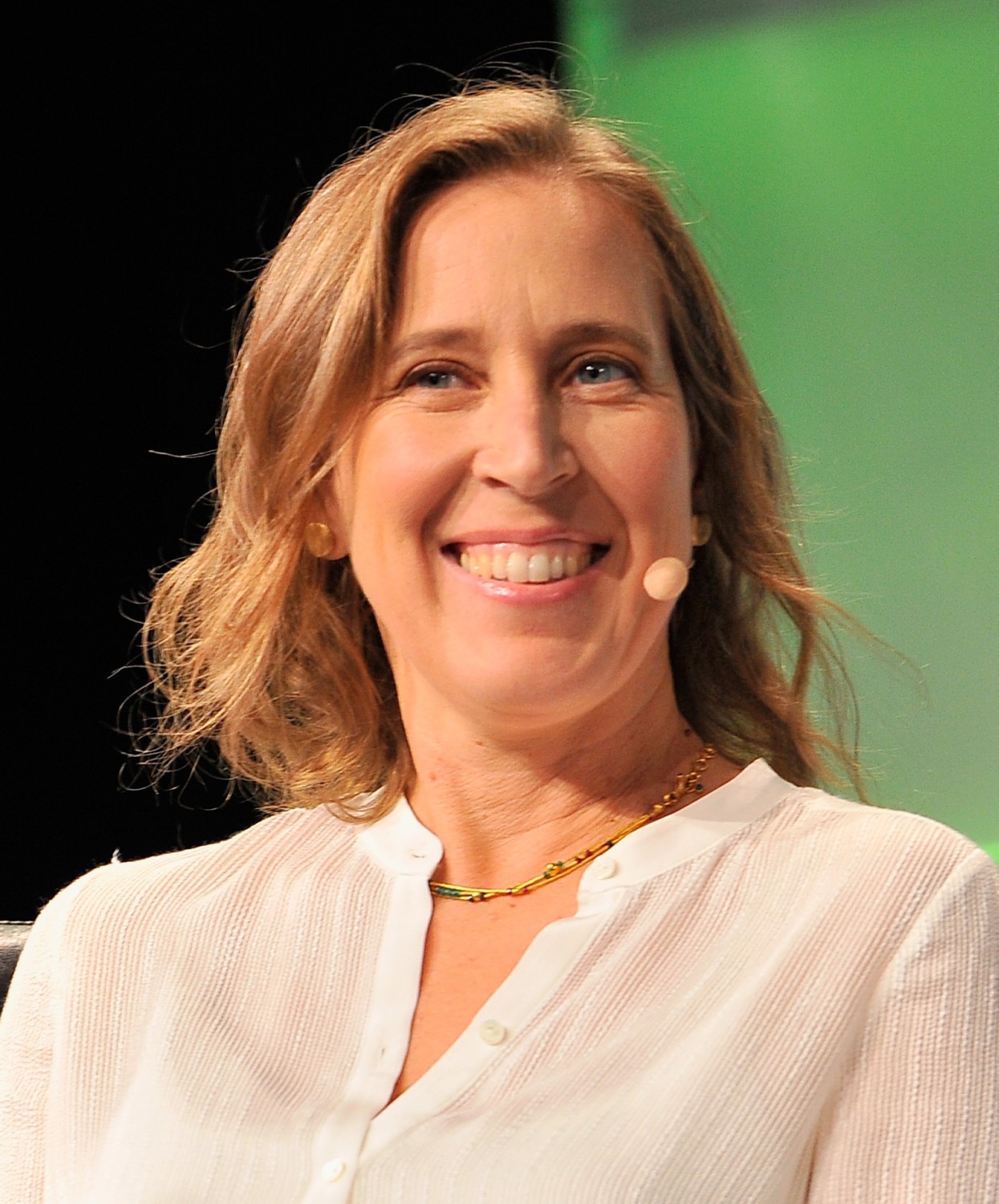
I don’t know what I find most impressive, that Susan scored a position with Google as one of the first twenty employees ever, that she is the mastermind behind AdSense (which basically is how Google makes most of its money), that she then spearheaded Google Images or that she is a mother of five while having done all this? Oh, did I mention she is the CEO of YouTube as well? She is a strong and important voice against gender discrimination and a role model for everyone in the business to look towards
Probably the most controversial person on my list, which is a statement of how hard Carly has pushed the envelope for women in the field of both tech and business. Smart, uncompromising, and hard-working. Carly was the CEO of HP and the first woman to lead a fortune top-20 company. She didn’t settle with that but then went on to oversee the largest technology sector merger in history (HP + Compaq).
She has fought to break down gender barriers, smash the glass ceiling, and actively contributed to non-profits that support women in poverty, of Muslim background, and to fight the Ebola virus.
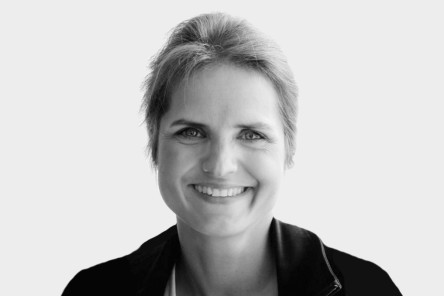
Stina is the co-founder and CEO of Yubikey, a company dedicated to providing next-gen security solutions to consumers and businesses alike. In a world increasingly dependent on trust, the ability to ensure things are secure is as important as being able to verify someone is whom they say they are. An incredibly complex task that Stina and her company are making everyday simple.
Most, if not all, large tech companies in and outside of Silicon Valley are using her solutions to secure both their environments and employees alike and anyone serious about security should know her name and her company. Thanks to her, you can sleep at night in an increasingly digital world. On top of all this, she is a strong and vocal proponent for gender equality and a great role model to everyone in the tech industry as she is leading by example.
Kebing Nilsson
This list wouldn’t be complete without a mention of my dear wife. As an immigrant, not only did she learn a completely new language and a completely new culture that was at odds with everything she knew from before, but also decided to take on a career in tech. She has more examples than anyone ever should haveof being questioned, doubted, and have had to work twice as hard to make her voice heard.
But her track record tells a clear story of being shoulder to shoulder with her peers, regardless of gender. She is a friend of everyone she works with, helps drive excellence in her colleagues, and always finds pragmatic ways to approach problems. She has spearheaded R&D for Sony/Ericsson in cell radio technology, modeled innovative battery-saving technologies for Huawei, and is now involved in Cloud topics so secret not even I know anything about it. On top of that, she is the best mother you can imagine, a crazy snowboarder, and a true role model to everyone in STEM fields, regardless of gender or background.
In summary, it’s thanks to women in technology that we can enjoy not just the modern computer (thanks Ada), but also how we tell them to do what we want them to do (thanks Grace) in a smart, structured and intuitive way (thanks Adele). Thanks to women we can communicate in real-time with anyone in the world (thanks Radia), find our way anywhere, and continue to do our work almost like normal despite a pandemic (thanks Hedy and Susan). Thanks to a few known and many unknown women, personal computers have become personal and the business of tech is not just a club of men (thanks Carly) and all this can happen in a secure way (thank you, Stina). So if you are a guy thinking that girls just don’t have it, grow up or get out of the way. If you are a girl thinking tech is not for girls, know that there are already many women driving massive change in this field (thank you Kebing, and everyone else). Find your own role model to follow and know that we are many who support you, think your place is here, and need your unique, valuable contribution and voice!
How kids riding snowboard made it clear to me that Twitters time is past
Update: At the time of writing this article, I didn't predict the advent of one of the most polarising figures in modern politics. Donald J. Trumps use of Twitter brought the platform back into the limelight, but also cemented the platform as a megaphone for uncurated, controversial statements which was needed to penetrate the noise. When a communication channel survives on chock value, the business model is in a downward spiral, something that Twitter recognised all to late when enforcing their policies and banning him from the platform. In doing that the collective eye balls turned away. It's a damned if you do, damned if you don't value proposition with no good exit.
Twitter has been heralded as more than just a social network, but instead a fundamental part the communication infrastructure of our society. The lack of clear revenue models has not hindered the company from a public IPO nor from it being something assumed to be present forever.
The service which offers only 140 characters per message still managed to become the worlds go-to place during Arab spring or when the Boston bombings happened. All other media outlets had to accept that they were second on the ball and adjusted their strategies to incorporate Twitter instead of competing with it. It has in only a few years gone from being a tech insider secret handshake to a tool where a single individual with a mouse click can make a whole nation furious and demand public apology.
With the raw, uncensored and flat communication structure Twitter offer it didn’t just fill a previously empty gap, it changed the game. But new rules bring new set of challenges and here Twitter has failed to act fast or thoroughly enough. A torrent of abuse and harassments has plagued the service with the climax being dubbed “Gamergate”, which also has been used to showcase Twitters deafness to the problem.
The tech- and media world that has made Twitter so successful also seem very keen to declare it dead. They are however getting a lot of help from the company itself. With Twitter Inc. having top executives jump ship, problemswith their valuation (dropping almost 50% in just the last few months) and constant revising how the service works (identity crisis?).
The very symbol of Twitter is the chronological stream of events never longer than 140 characters. This is now changing to a out-of-time order stream and messages at almost any length.
Twitter is doing everything it can to ensure the world that they are more than alive, that they are in fact still relevant and until recently they had me fooled.
Then I watched Burton US Open 2016 and everything changed!
If you want to know where the future of tech lies you shouldn’t just look at its industry leaders. They tend to say how they want the future to look rather than what is actually going on. Instead it is wise to look at users in marginalised countries and Teens, they are after all the user base every company say they will secure. It’s hard though as the task is infinitely more complex than just to ask a teenager for a answer. Often they don’t care the way the person asking does or they lack incitement to understand the context of the question.
Burton US Open is one of the oldest snowboarding competitions in the sports fairly young history. During the sports shy 30 years of existence it has however secured a spot at the olympics which speaks volumes of how much relevance it has. Like most extreme sports Snowboarding has a very big following among youth and a large amount of the current “trend setters” can be found among the athletes.
This year two noteworthy things happened (that I want to highlight, of course the return of Shaun White is a story in itself left for another writer).
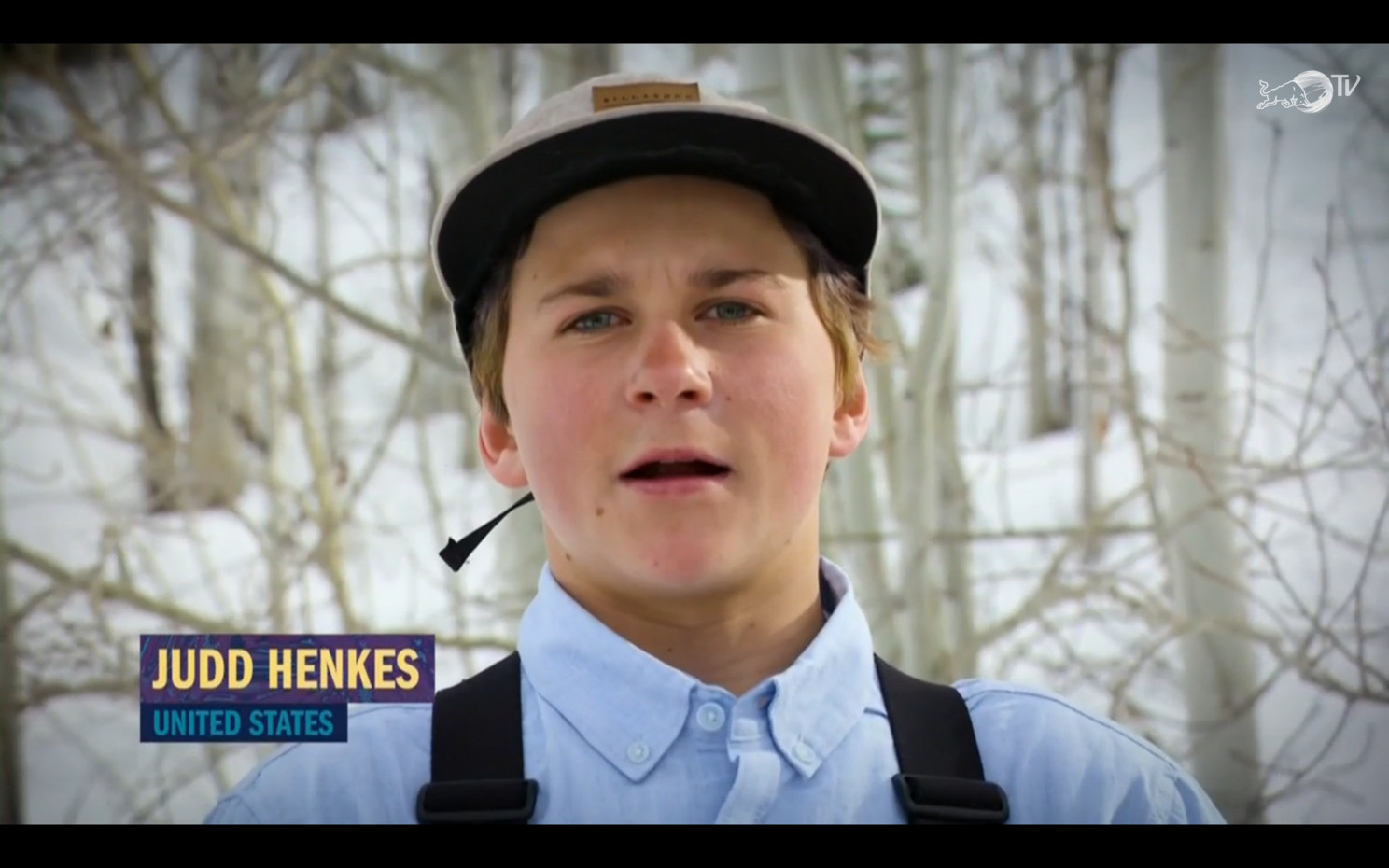
First, a 14-year old unknown boy named Judd Henkes not only won the youth competition securing him a spot in the adult finals, but he almost won the adult competition too (finished 5:th). The “ticket to ride with the adults” you win in the youth competition is supposed to be a nice way to inspire kids beginning the sport. Never did anyone foresee actual competition come from this. He didn’t just ride on par with the rest of the athletes, he destroyed the competition. Not to mention that he did this while sporting a nice blue buttoned shirt!
So what does this has to do with Twitter?
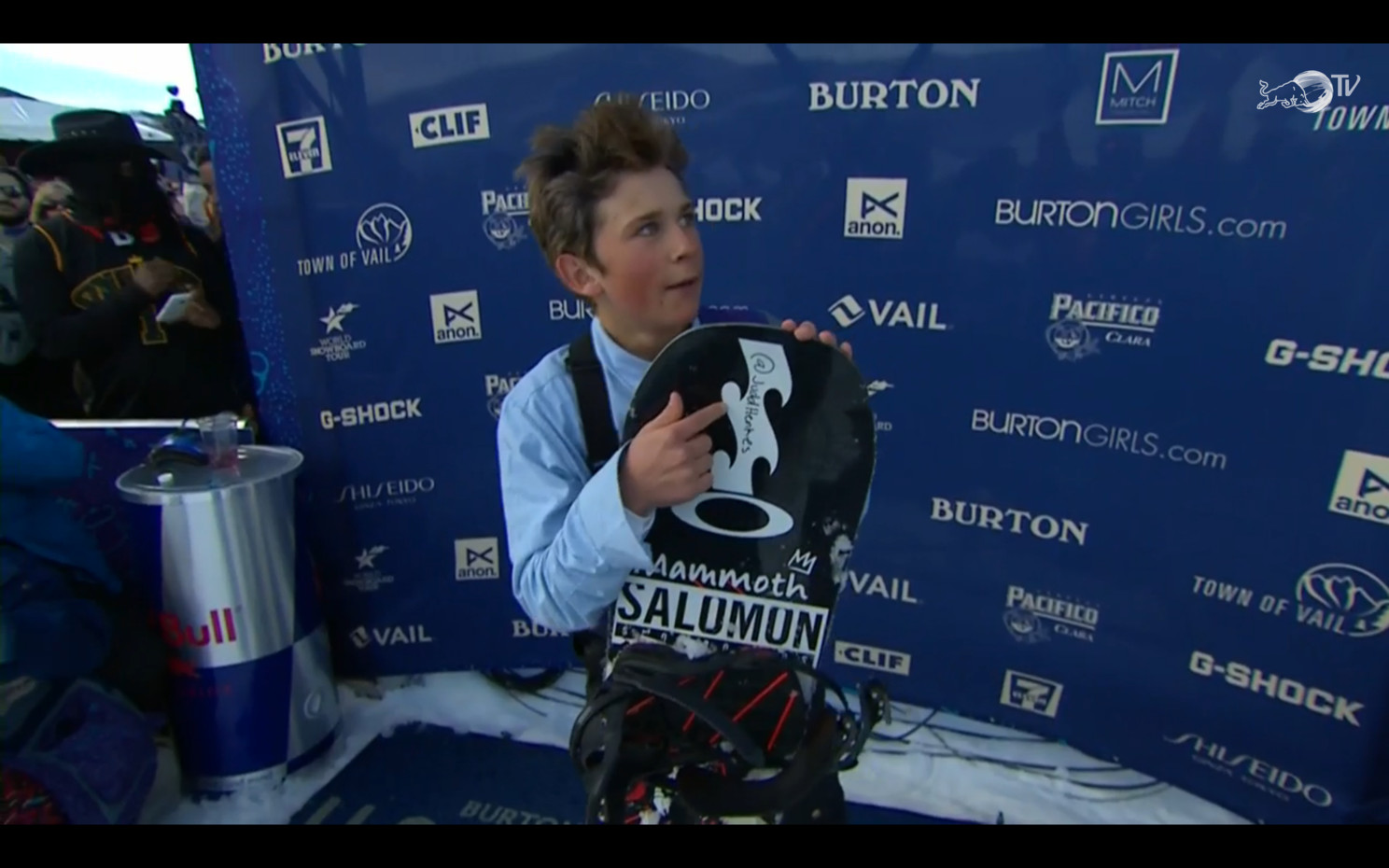
After Judds first run people were completely floored. Everybody felt like they had witnessed history in the making. As Judd reached the bottom of the giant super half pipe he did not stop to take in the crowds cheers. Instead he threw his board up in front of his face to show the camera a piece of text scribbled on the board. To be absolutely clear he also pointed at it several times. It was his @-handle! (@juddhenkes)
I laughed, screamed and shouted in the sofa. This kid was just unbelievable! At one point he was 22 feet OVER the edge of the half pipe, which in itself is another 20 feet high. He sweeped the floor with the professionals, made it down alive and the most important thing for him was that we follow him on Twitter. I reached for my phone and figured I should give him what he so much seek, attention.
As I opened up Twitter and entered his handle I realised something was wrong. The account had almost no followers and the tweets written didn’t mention anything about snowboarding. I paused the TV to ensure I had it spelled correctly which I had.
Judd must have spelled it wrong then, what other explanation could there be?
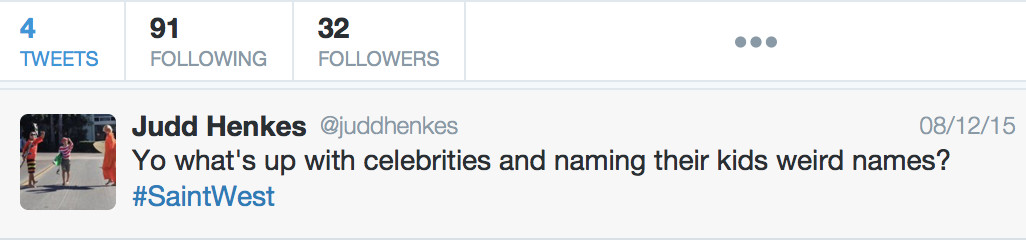
Later that day the tweets mentioning his handle started coming in from other adult couch potatoes like myself. Finally the actual owner of the Twitter handle @juddhenkes tweeted:
Judd Henkes never meant for us to look for him on Twitter. The fact that Judd Henkes only pointed on a @ name made me assume that he meant Twitter, what other default service is there? Turns out 14 year old Judd Henkes doesn’t even have a Twitter account, who knows if he even cares. Instead he meant Instagram. Judd was trying to get followers on his Instagram profile which also was @juddhenkes. He didn’t even bother to clarify the service he meant because to him there is no other place to be!
Instagram is the new default!
The second noteworthy thing happened right after Judds second run. The Red Bull stream decided to cut to a short interview with the winner of the US Open Ladies Chloe Kim. A 15 year old girl that earlier that day did what Judd was doing in the Mens section now, killing the competition and stunning the world!
Chloe Kim in her winning run at Burton US Open 2016
Instead of me trying to recapture how the interview went, let me quote it here:
Interviewer: She [Chloe Kim] won women's finals. Has it settled in yet?
Chloe: No not yet, its wild! Can’t believe it at all.
Interviewer:What surprised me was a lot of people before their run is up, they are stretching, trying to visualise. You however were looking at instagram!
Chloe: …
Interviewer:@instagram tagged you in a photo, was that as big of a accomplishment today for you as winning US Open?
Chloe: It was insane for sure!
Interviewer:How does it feel to be trending [on Instagram] right now?
Chloe: It’s a crazy experience to be trending right now
Interviewer:You got 1000s of followers from that
Chloe:weeeeee!
Chloe Kim celebrating being trending on Instagram
Let me spell this out. This 15 year old girl has just won the biggest competition in the world for snowboarding. The thing she is most excited about however is thatshe is trending on Instagram.
Chloe compared to Judd does have a twitter account which seems to be handled by some manager of hers. This is understandable with only a mere 4638 followers, this is not where the audience is anymore.
On Instagram however Chloe is very active supporting all her 119 000 followers!
While we in the media and tech industry were busy discussing whether Twitter still is as relevant today as yesterday the world moved on. Someone else that saw the writing on the wall, but not as late as me however is Twitters head of products Kevin Weil. He decided to quit his position at Twitter to begin working somewhere else.
Where you wonder? @instagram of course!
---
Chloe Kim interview is at 1:42:00
The world is shocked to learn that Volkswagen (VW) supposedly “cheated” tests and manipulated the results to make it seem their Diesel cars are better than what they really are. I argue they did not tamper with results and that the problem is not VWs methods. Instead with Diesel itself, the industry and the scrutiny we hold them at!
The problems has been known for a while and for some reason it suddenly turned dramatic. Media has gone for the low hanging fruit in how reporting this story is done and it is time to clear up a few misconceptions. VW have done nothing wrong given the rule-set of the industry. The tests measured the engine emissions during optimal conditions. Nowhere was it specified what conditions the engine should be measured for. This was just assumed to be understood.
“Assumption is the mother of all fuck-ups!”
Despicable as it might be, the problem is in our assumption that Diesel is more environmentally friendly, that manufacturers intent is good and that tests results are accurate and there are but one truth to the numbers. Every car manufacturer wants to build a great performing car and that means tweak the engine to maximize performance.
VW did not change, tamper nor manipulate any test results. Instead they engineered the vehicle to be smart about how it used the engine
Every aspect of the test was predicted and the car adjusted the engine to its advantage, but not the results. Most people are furious about the audacity, but facts are facts and we need to see this for what it is. They merely followed protocol in a highly competitive market. The fault is not with VW but with the test protocols used and our idea that Diesel somehow is more friendly to the environment than alternatives.
How can a car show 35x less emissions in tests?
In today's car climate the average consumption of a car is a very important factor for the potential buyer.
At the same time the buyer want a fast, powerful and sporty car. This seemingly impossible equation has been solved with the introduction of the ECU-chip in every car since 2002. The ECU is a little computer in your car. Initially it didn’t do to much except regulate air, fuel and compression of the engine. Digitally it could alter levels based on temperature of the engine, throttle position and a few other factors. Over time the responsibility has grown to the point where we today remotely can take control of cars from the living room sofa and override the actual driver (here’s how).
This allow the car manufacturers to build a engine capable of several different running modes and let software dictate how it should operate. Be sporty or be mellow, stiff or soft, strong or fast.
If you have a fairly new Diesel car you might have experienced how it sometimes on the highway gives a feeling of dropping all power and just cruises. This is when the car changes algorithm to be ultra efficient. This technology is very sophisticated and how our cars today are so much more efficient than in the past. This is no secret, it is part of every car ad and known by everybody in the industry. Today cars dont compete so much with engines, as with software. The miles per gallon is not a fixed value per car, nor is it very tightly coupled with the engine in the car but the software decisions the car makes.
What the company VW a few weeks ago was well respected for, is the same reasons everybody now is so upset. This software even has a name, “DynaMode”. It really is two cars in one.
The illusive art of testing
There is a very important lesson to be learned here. Coming from the software industry where testing is critical to offering a good product I have learned a lot about testing. Primarily the necessity to specify which criteria to test as well as under what condition the test should take place. Many people focus only on one part of it; “what to test” and then develop methods to achieve this which become the “how do we test”. They completely forget about the equally important “what are the conditions we are testing for”, which can be answered by asking oneself “why are we testing this”.
In the case of VW the “what” to test was easy. They wanted to test emission levels and then they figured out which machinery and methods was needed for a accurate reading. The “why are we testing emissions” was only assumed and never declared. The assumption was “We are testing emissions to ensure that the car can be used in urban locations and wont affect our climate severely over time”. In reality the tests became a game of having better numbers than the competitors and ensure lower numbers than regulations specify as ceiling-values. Without the why to state the context, the tests become useless. In the software industry this is called a “moot test”.
Outsmart the smart
Whatever you test, the tester needs to make sure that the test results are clinically correct, comparable and reliable. To achieve this you need to provide a “controlled environment”. This is also the inherit problem.
A controlled environment means no external factors will influence the results. One typical external factor is reality. A controlled environment is perfect for measurements, but also perfect for optimizing the performance of the test subject.
So to set the stage we have a predictable isolated environment, a car which can change running mode depending on the situation and clear numbers that needs to be matched.
What the media says VW did
Generally speaking most media outlets report that VW altered the test results for pollution from a large fleet of Diesel cars to pass emission tests. They did this by developing a intelligent piece of software that could detect when the car was being tested. During tests it would ensure that the values showed 35 times lower than what was actually the case. The detection mechanism was triggered by checking if the steering wheel was moving in combination with the engine keeping a steady speed together with some other factors. Media states that this was a deliberate intent from VW to trick tests according to most reports and has led to a record drop of share value (31% at time of writing). A record recall of 11 million cars has been issued and the CEO Martin Winterkorn has been forced to resign.
What VW actually did
VW never changed a single value reported from the engine. This does not mean what they did was fair, but right should be right. What they did was abuse the fact that the test conditions were poorly specified.The same software being criticized for fooling the tests is critical for the performance of the car when driving on the roads. Were the car not to use these smart utilization the car would be useless. However when the software is factoring in the environment to improve engine performance and the car is in a clinical environment you get unrealistically good values.
VW has optimizations to ensure best fuel consumption according to terrain and the drivers intent. These optimizations are partly based on predictive algorithms. What this means is that the car does samplings many times per second and then adjust engine operation parameters based on the assumption that nothing will change. It adapts to the current conditions to maximize performance. This is fair game and to be expected!
The engine perform exceptionally well if the conditions are exceptional. Any place outside of roads are exceptional for a car!
Are they alone in this?
Hardly, as software powers all cars today with the purpose of making sure the car is performing perfectly based on the situation it is presented with. Even the very control software used in the VW cars are based on shared principles and I would not be surprised if we learn that this software is used in other brands too. Are the lab environment normal conditions? Hell no! But should the engine intentionally perform worse even though it can prevent massive pollution?
They knew that given the isolated test conditions the output is nowhere near what you find when actually driving in traffic. But should VW be faulted for optimizing their software or should we not instead give this scrutiny to who is in charge of these tests, what are the tests supposed to prove and who designs the conditions in which tests should be done?
What is the lesson to be learned?
The problem is not the software that intentionally tried to lower the emissions. The problem is that we have been duped to believe that Diesel is in any shape or form more environmentally friendly than normal petrol which is not the case. The industry manipulated politicians to create incentives which lowered the price of Diesel. Even after it was clear that the emissions from Diesel were dangerous, car manufacturers did not change their line-up, politicians did not remove the incentives and consumers are trapped believing they are doing the best they can for the longevity of our planet.
I learned at great cost in my years as software engineer, technical project manager and Chief Technical Officer that you must consider the environment when designing tests.
Isolation simplifies understanding the results and makes test data comparable, but at the expense of realism.
If you are testing for reality you must accept that the very definition of reality is that it is ever changing, unpredictable and anything but isolated from external factors. The only thing you can predict is unpredictability and this must be the core of your test if you wish to learn anything at all!
The other painstaking insight I have accumulated over the years is that “assumption is the mother of all fuck-ups” and it shows time and time again!
Finally, we can improve the test protocols ad infinitum, but never should it take away our responsibility as human beings. It can not be the responsibility of the tests to prove something wrong, but to the manufacturers to prove something right!
Dissecting the notion that success is something that happens to you if only you do the right thing. Instead it should be thought of as doing the wrong thing!
These days it seems we are obsessed with the idea of success and successful people. Conferences compete with line-ups not only by talks about a certain technology or new idea but more often with speakers telling the story of why they are successful. The irony is that standing on that stage is a self-fulfilling accomplishment. The speaker becomes successful the moment they enter that stage, even if they weren’t before. We even applaud them getting up on stage, before they have performed a single act!
No matter what their story is it is bound to be in the theme of hardship and struggle. For every successful person, there are a thousand rough days preceding them being on that stage. Yet our take away as an audience is that they are somehow special, that is why they are successful.
We become obsessed with hearing the stories of other people’s accomplishments, hoping to one day hear the story of ourselves.
We accept that they worked hard, that they have “what it takes” and hope that we can learn the secret technique which is the only thing missing in our armory. Once we hear their story, it will somehow shed light on our own story and have it make sense.
Success somehow seem to be a happening or an event. You will know when you have succeeded and you are a success. Success is a reward you get for sticking to your guns and when it happens it is unmistakable. The problem for us not standing on the stage is that we do not know where our guns are. All of us are willing and ready to work hard and believe in ourselves, only we don’t know what to work hard for and not what to believe in.
What the speaker on stage is not telling us, is that the success is only visible in retrospect. That success is elusive and most of the speakers does not fall asleep as successful people. Hindsight is perfect 20/20 and the narrative is made up afterwards. As such the success story is a selection of events in time, that with some lubrication makes it seem like there was a clear path to follow all along. There wasn’t!
Success is not the result of doing the right thing. It is the result of doing the right thing, at the right time whilst persevere through many failures and failed attempts.
The onlookers see success and it is truly in the eye of the beholder. The speaker is asked to frame their story in such a way that in 20 minutes or so, you get a few laughs and you feel the sincerity. But once the speaker takes the few steps down the stairs off the stage, success also steps down. What happens next is a continued struggle with doing the right things, hoping that the timing will eventually be right and do this over and over again.
Success is a constant stream of failures wrapped in a nice narrative!
The point is not that you shouldn’t respect the next talker you hear telling you their life story. Instead that if you were to tell your story on that stage, the rest of us in the audience would be just as amazed!
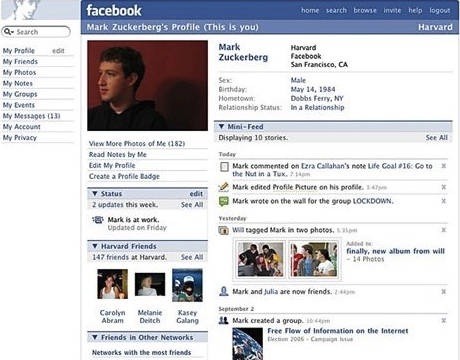
With the recent announcement that Facebook during one day had over 1 billion visitors it is safe to say they are king of the online community hill. The road to this point has been lined with doomsayers (TheGuardian 2013, AdWeek 2014) and competitors (Diaspora, Orkut, Ello, Google+ to name a few) trying to poke a hole in the Zuckerbergian armor. Writing about how Facebook became the hegemon it is today could render a dozen articles. The most important factor however also happens to be the most overlooked. I’m not a huge Facebook user, nor a particularly big fan of the behemoth but I do give credit where credit is due.
Mark Zuckerberg is a prodigy in market strategy with a gut feeling for what people are ready to accept, where trends are headed and how to stay relevant. He has been able to keep enough control that his voice and opinion prevailed any internal disagreements. It is hard to be stubborn. Hard to go your own way and still be able to get your team to walk with you even though they are just as convinced you are wrong as you are convinced you are right. This is a fine balancing act that Mr. Z seems to have perfected.
Life before Facebook
In 2004 when Facebook booted up the first public servers the Internet was a very different place. The most visited social playgrounds online was discussion forums, all companies wanted to become your “start page” and every business person worth his/her salt explained that Portals was the next big thing. MySpace was the top dog among communities and considered quite hip due to its large amount of musicians being active there.
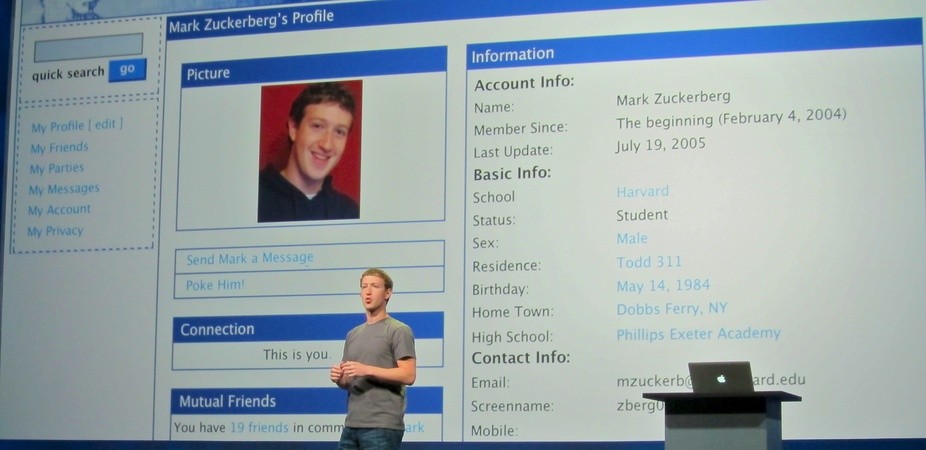
MySpace was not the only online community. There were plenty of alternatives and everybody had online profiles with at least two or more communities. A membership with any online community meant you had a “profile page”, not a “Timeline” or “Wall”. On the profile page users wrote a description about him/herself and added a profile picture. This description was the foundation of the concept “online community”. A user account with a community 2004 also came with the important “Guestbook” where conversations happened. A image gallery where you could upload a limited amount of pictures served as a premium feature. Though there were a healthy amount of alternatives all of them were built with the same mindset, looked quite the same and offered the same experience. This meant your choice was only a matter of which crowd you tried to reach. Along came Facebook…
So what made Facebook so special?
It is commonly argued that the “invite only” strategy is what made Facebook more appealing than its competitors. This is specially highlighted in the 2012 semi-fictual movie The Social Network. Another popular argument to Facebooks’ success is the modular programming architecture which allowed for games (such as Zynga’s Farmville) and “apps” to be integrated into the site experience by third party developers.
I argue that these played second fiddle to a much bigger difference. A design decision which turned out to be a game changer in the world of communities. A change that is plain to see, but hard to notice.
Facebook didn’t care about the users description of themselves!
You are the story about yourself!
Facebook overnight shifted the focal point from the dull self-described profiles and instead highlighted the actions and interactions by the user. Every move and action the user took on Facebook was logged and tagged on their “Wall”. The concept of a wall was unheard of at the time (as was the infamous “Poke”). Sure there was a field hidden somewhere in settings where the user could fill out a “About Me”-text. But even if you did write it, barely anyone ever found it. Facebook argued that this is the least interesting fact about you, and instead they decided to show the world what they knew about you. By studying how others interacted with you and in which social circles you belonged, they told the story of who you were! They coined the term your “Social Graph” for this compilation of data.
The choice to let a users actions on the site together with how others interacted with the user define the online profile to others was as simple as it was brilliant. It took away the awkward requirement of having to explain oneself, something that still prevents most dating sites from massive popularity. Facebook did this at the expense of perceived privacy. It felt unnatural to many of us at first.
“Where do I tell the world who I am and why can others see what I am doing?”
This was a big deal at the time, but only a pebble of what was to come! To many it was a wake up call as to how much information we reveal about ourselves. This was scary to many of us but also offered a refreshing new take on social interactions. The trade-off was simple, our privacy online in exchange for letting us know about the people in our extended circles.
Based on this new take on data collected about us Facebook often end up in stormy weather with how they handle users privacy. They need to push the envelope on how transparent they can make us to stay relevant, and we are often not comfortable with what we learn about ourselves. Marks’ deal is simple “If we don’t like it, we can leave”!
Everybody wants to be on Facebook because everybody is on Facebook
“Critical Mass” is the concept of how many users you need before the amount in itself attracts new users. Some argues this is why Facebook can’t fail anymore. But I argue that users are fickle and this tide could turn at any moment, as it has in the past. That is why Facebook every day must take decisions and make changes to stay relevant. We usually never hear nor see most of these changes, but they are there. Slowly the boundaries of acceptance are pushed forward.
As long as Facebook keeps thinking outside the box, dares to act on what they learn when doing so and make changes no one asked for they will stay relevant. Being alive in the age of Internet means staying relevant!
Next time you “check your Facebook”, take a moment to realize what a tremendous social experiment it is behind all the bells and whistles!
The reason Facebook is so successful is because they think outside of the box, push boundaries of what is accepted and continues to embrace that technology reveal new patterns in social interactions. These reasons are also why Facebook is so controversial!
Systems are the easy part. People are the hard part — and the
only part that ever really changes anything.
Why I keep ending up between the boardroom and the build
Waypoint 05 · Off the clock
Signals & noise
The parts of the stack that don't compile.
Proud fatherThe only production workload with permanent P0 priority. Best thing I ever shipped.
SnowboardWinters are for carving. The Alps are conveniently close now — that was not an accident.
AmmerseeLake life in Utting: morning swims, Bavarian skies, and the occasional conference call from the jetty.
Norrland, Sweden at heartFika is a protocol, not a beverage. Kanelbullar are non-negotiable, even in Bavaria.
Home labSelf-hosted everything. If it has an Ethernet port, it has a hostname and a dashboard.
GraphsGrafana counts as interior design in this house.
Waypoint 06 · Side Quests
Projects with dust on my hands
Full build logs, photo by photo — click one open the whole story, comments included.
85 photos
Renovating a 100-Year-Old Tile Roof
I bought a house from 1870 and figured the roof would need attention eventually. It did — so I tore the whole thing off and rebuilt it myself, one beer-fuelled evening at a time.
Open the build log
37 photos
DIY Vintage Lamp Build
Old timber used for beaching boats, a week of sanding and staining, and a rope-wrapped cable — turned into the lamp that now hangs over our kitchen island.
Open the build log
19 photos
Making of Mario
A projector, a pen, and a lot of masking tape: painting an 8-bit Mario mural straight onto my wall — pixel-accurate, mostly.




























Comments from the original post